

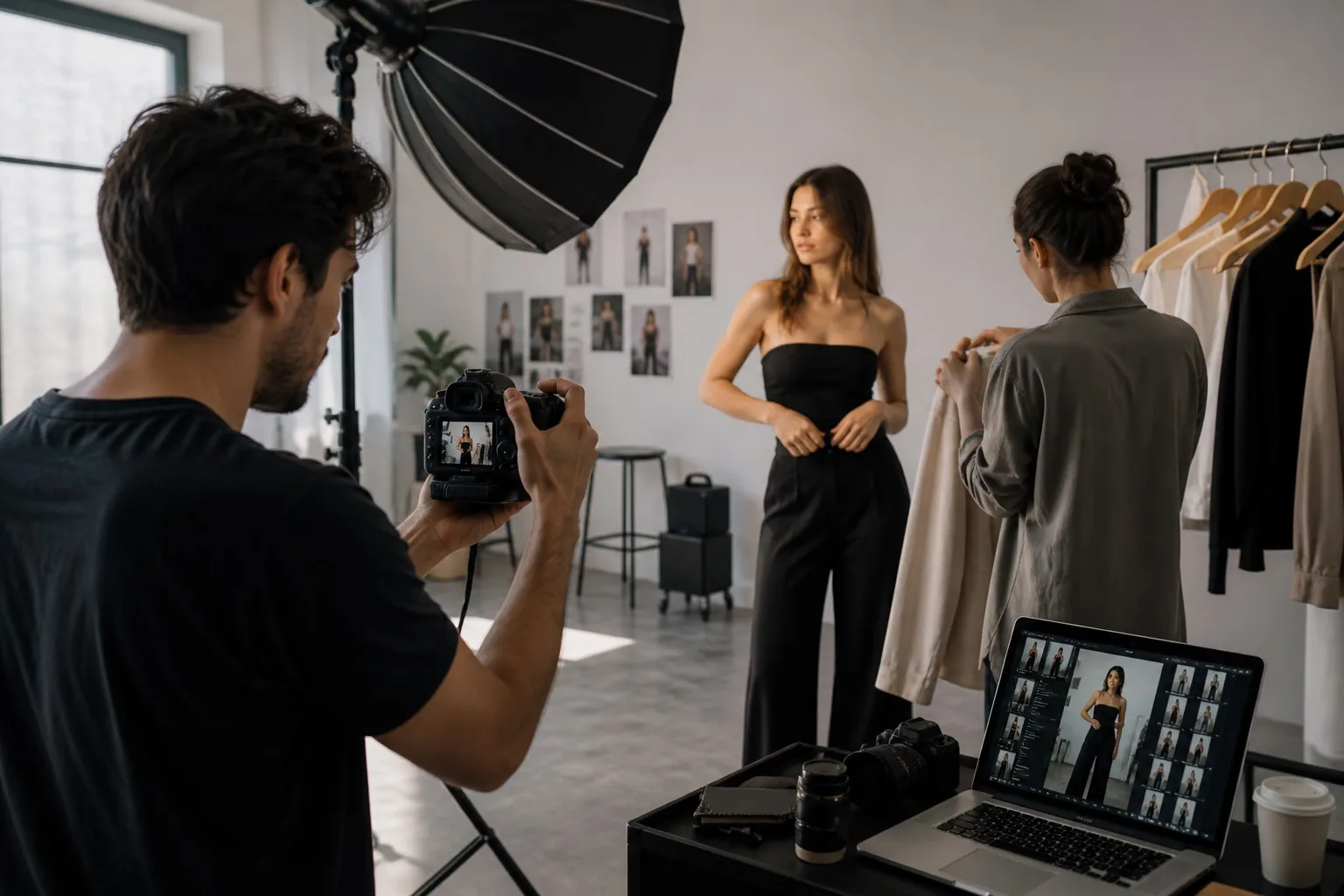
What Makes a Photoshoot Feel Professional?
We’ve all been there: the shoot that feels right from the moment you walk in. The light is good, yes, but it’s more than that. Everyone knows their role, the energy is calm and focused, and the results seem to almost create themselves. That feeling isn’t accidental. It’s the product of a thousand small decisions made long before the first frame is captured.
Professionalism in photography isn’t about expensive gear or a fancy studio. It’s a mindset, a set of habits that respect everyone’s time, talent, and energy. Here’s what truly sets a professional shoot apart.
Pre-Production Is Everything
The most professional shoots I’ve been part of started with a conversation — not a rushed text, but a proper creative brief. The photographer shared a mood board, the model sent in their portfolio, and we discussed the vibe, the wardrobe, the location. Everyone arrived knowing exactly what we were aiming for.
A professional shares a clear call time, address, parking info, and a list of what to bring. They confirm dietary restrictions if there’s catering. They send a shot list but stay flexible. This preparation builds trust. When a model or MUA knows you’ve thought ahead, they relax into their craft.
Communication Before and During
Nothing kills a professional atmosphere faster than silence. On set, the best teams talk constantly — but with purpose. The photographer directs clearly: “Chin down two degrees, eyes toward the window, now give me a soft smile.” No vague “move a little.”
Equally important is the quiet communication: checking in with the model between takes, asking if they need a break, offering water. A professional shoot treats every person as a collaborator, not a prop. When the makeup artist needs five more minutes, the photographer adjusts the schedule without sighing.
A professional set is one where every voice is heard, and every role is respected.
Respect for Time and Boundaries
Starting late is the fastest way to feel amateur. Professionals arrive early, set up efficiently, and respect the call time. They also respect the end time. If the shoot runs over, they communicate clearly and offer compensation or a clear plan to finish later.
Boundaries matter too. A professional photographer asks before touching a model to adjust clothing or hair. They provide a private changing area. They discuss usage rights and payment upfront, in writing. This isn’t just legal — it’s respectful. When everyone feels safe, the creativity flows.
The Little Things That Add Up
- A clean, organised set. No cables across walkways, no clutter in the background.
- Backup gear. A second camera body, extra batteries, a reflector. The show must go on.
- A playlist that matches the mood — and asking if everyone’s okay with it.
- Snacks and water, even for a short shoot. It’s a small gesture that says “I value you.”
These details might seem trivial, but they signal that you’ve thought about the experience, not just the final image.
Post-Production and Follow-Through
Professionalism doesn’t end when the last shot is taken. Sending a quick “thank you” message that evening, sharing a few previews within 48 hours, and delivering the final gallery on time — this is what makes people want to work with you again.
A professional also respects the editing process. They don’t over-promise unrealistic turnaround times. They communicate delays. And they credit the team when posting: tagging the model, the MUA, the stylist. It’s free advertising for everyone, and it builds community.
The Real Secret
At its core, a professional photoshoot is one where everyone leaves feeling valued. The model feels seen. The MUA feels their work was appreciated. The photographer feels they captured what they envisioned.
That feeling is the result of intention. It’s choosing to be prepared, to communicate clearly, and to treat every shoot as a collaboration, not a transaction. When you do that consistently, the word gets around. And that’s the kind of reputation that no camera can buy.
💬 Comments · 0 comments
Be the first to comment.