

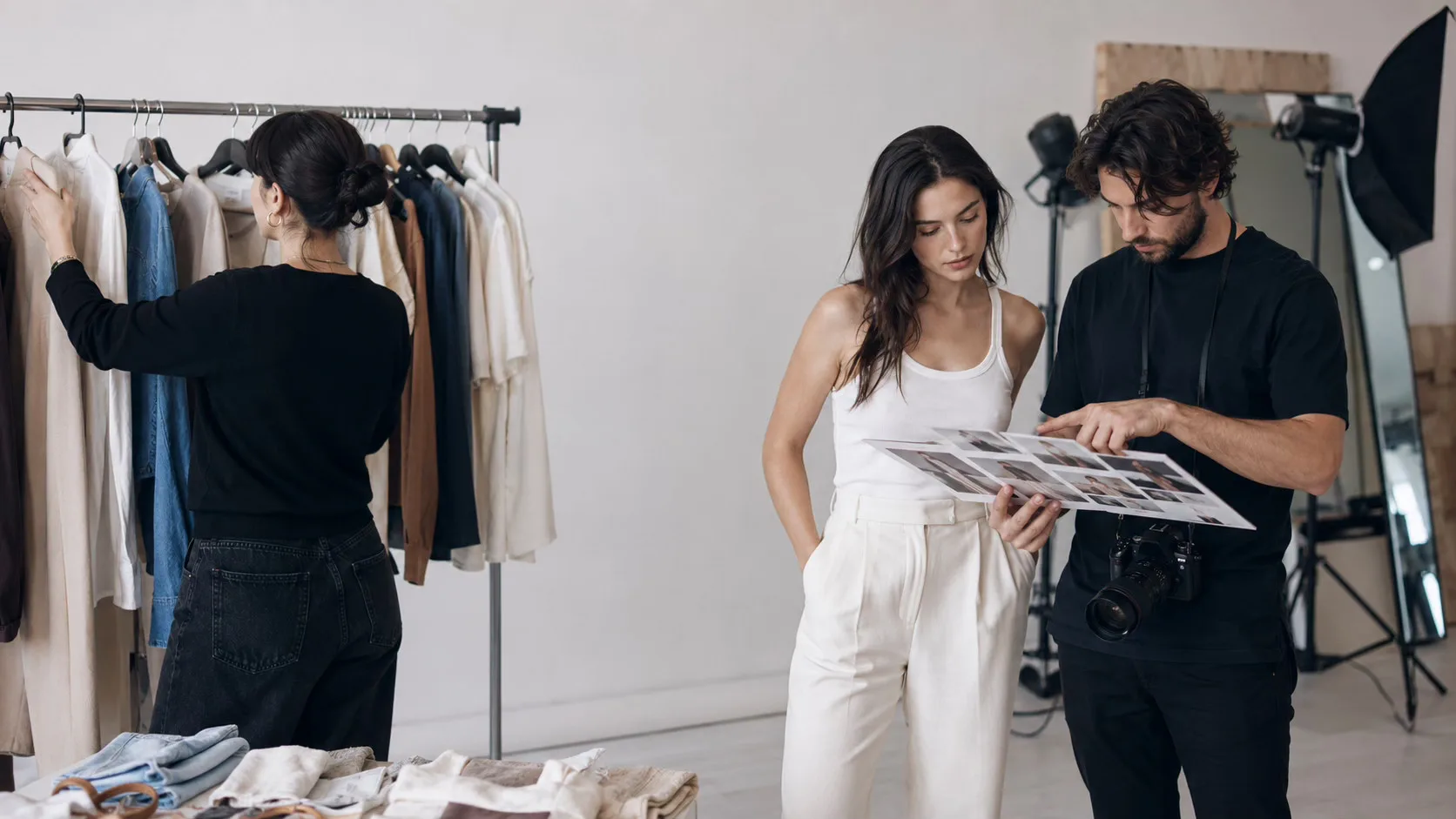
Sometimes everything seems right.
The light works.
The model knows how to move.
The photographer understands the concept.
The location fits the mood.
And still, when the image appears on screen, something feels slightly off.
Not terrible. Not unusable. Just weaker than it should be.
Very often, the missing piece is styling.
Styling is one of the quietest forces in photography. When it works, people rarely notice it first. They simply feel that the image is complete. When it fails, the whole photo can feel cheaper, less intentional, or emotionally disconnected — even if the technical side is good.
A good outfit does not just dress the model.
It helps tell the story.
The Short Answer
Styling can make or break a photoshoot because clothes, colors, textures, accessories, and fit shape the image before the model even starts posing.
The camera does not only capture what someone wears. It captures whether the styling belongs to the image.
When styling, lighting, makeup, posing, and editing all speak the same visual language, the photo feels intentional. When one of those elements does not match, the viewer may not know exactly what is wrong — but they feel it.
Styling Is Not Just Clothing
Many people think styling means choosing “nice clothes.”
But in a photoshoot, styling is much bigger than that.
It includes:
- clothes
- colors
- fabric texture
- silhouette
- accessories
- shoes
- hair direction
- small visual details
- how the outfit reacts to light
- how the model feels inside the look
A white shirt can feel minimal and elegant in one setup. In another, it can look unfinished.
A leather jacket can feel cinematic. Or it can feel like the wrong character entered the wrong story.
That is why the real styling question is not:
“Does this outfit look good?”
The better question is:
“Does this outfit belong in this photo?”
Colors Decide the Mood Before Posing Begins
Color is one of the fastest ways to create emotion in photography.
Before the viewer understands the pose, the expression, or the story, they already feel the color palette.
Warm colors can feel intimate, nostalgic, sensual, or energetic.
Cool colors can feel calm, distant, clean, or cinematic.
Neutral tones can feel timeless, premium, or quiet.
Strong contrast can feel bold, editorial, or dramatic.
Color theory is not only a design idea. In photography, it helps control mood, harmony, attention, and emotional impact. WhiteWall’s photography guide explains that understanding color theory allows photographers to make more intentional decisions and deliberately evoke moods and emotions. :contentReference[oaicite:0]{index=0}
This matters because styling and lighting cannot be planned separately.
A beige coat may look soft and expensive in warm window light.
The same coat under cold blue light may feel dull.
A red dress may look powerful in a minimal studio.
In a colorful location, it may fight the background.
Good styling supports the image.
Bad styling competes with it.
Texture Is a Silent Language
Texture is one of the most underrated parts of styling.
Some fabrics look simple in person but come alive on camera. Others look good in the mirror but become flat under studio light.
Texture gives light something to touch.
Think about:
- satin catching highlights
- wool absorbing light
- denim adding structure
- leather creating contrast
- linen feeling soft and natural
- lace adding detail
- sequins creating movement
- velvet giving depth
This is especially relevant now because visual trends are moving toward more tactile, sensory, and human-looking imagery. Adobe’s 2026 Creative Trends report highlights sensory aesthetics, emotional connection, authenticity, and visual depth as major creative directions. :contentReference[oaicite:1]{index=1}
Creative Bloq’s summary of Adobe’s 2026 trends also notes the growing importance of visuals with depth and detail — imagery that does not only show how something looks, but suggests how it might feel. :contentReference[oaicite:2]{index=2}
For photoshoots, this is important.
A black outfit is not just a black outfit.
Black cotton, black silk, black leather, black velvet, and black mesh all create different images.
The camera sees those differences.
And so does the viewer, even if they cannot explain why.
Why “Simple” Often Looks More Expensive
There is a reason many strong portraits use simple styling.
A clean black top.
A white shirt.
A neutral blazer.
A slip dress.
A well-fitted pair of jeans.
Bare shoulders.
Minimal jewelry.
Simple styling gives space to the face, body language, and light.
But simple does not mean random.
A simple outfit still needs:
- good fit
- clean fabric
- intentional color
- the right texture
- controlled details
A plain white shirt can look premium if it is pressed, well-shaped, and lit beautifully.
It can also look careless if it is wrinkled, too thin, or badly fitted.
That is the difference between minimal and unfinished.
The Wrong Outfit Can Fight the Light
Some styling choices make the photographer’s job easier.
Others make everything harder.
A reflective fabric under direct flash can become distracting.
A wrinkled shirt under clean studio light can look careless.
A busy pattern can compete with the model’s face.
A color too close to the background can make the subject disappear.
A strong outfit under weak lighting can lose all impact.
This is why a test shot matters.
The mirror is not enough.
A look should be checked through the camera, under the actual light of the shoot.
What feels subtle in the room may disappear in the image.
What looks elegant in person may look too heavy on screen.
What looks simple may suddenly feel expensive when the light hits it correctly.
Styling Changes How the Model Moves
Clothing is not passive.
It changes posture.
A structured blazer makes someone stand differently from an oversized sweater.
A long dress changes movement.
High heels change balance.
Loose fabric creates flow.
Tight clothing creates tension.
This matters because posing is not only about direction.
It is also about what the model feels inside the outfit.
A model who feels confident in the styling usually moves with more freedom.
A model who feels uncomfortable often holds tension in the shoulders, jaw, hands, or eyes.
The camera sees that.
Good styling should not only look good.
It should help the person inhabit the image.
The Small Details That Make Photos Look Amateur
Most styling problems are not dramatic.
They are small.
But small details become visible in photos.
Things like:
- visible bra straps
- wrinkled fabric
- lint on black clothes
- shoes that do not match the mood
- hair ties on wrists
- phone outlines in pockets
- damaged nails
- accidental accessories
- tags or labels showing
- clothes that do not fit the body language
These details do not always ruin an image.
But they quietly lower the perceived quality.
A viewer may not think, “The sleeve is wrinkled.”
They simply feel that the photo is less polished.
Styling, Makeup, and Editing Need the Same Direction
Styling does not work alone.
It has to speak the same visual language as makeup, hair, lighting, and editing.
A strong red lip with soft romantic styling may work beautifully.
Or it may feel disconnected.
A natural makeup look with dramatic styling may need stronger lighting to make sense.
A clean commercial outfit may not fit with heavy cinematic color grading.
This is why moodboards matter.
Not because every team member needs to copy them exactly.
But because everyone needs to understand the same world.
The stylist thinks in silhouette and fabric.
The makeup artist thinks in skin, color, and texture.
The photographer thinks in light and composition.
The retoucher thinks in tone and consistency.
The model brings the whole thing to life.
When these roles are aligned, the final image feels intentional.
When they are not, something feels off.
What Most People Get Wrong
Many people treat styling as something that happens after the idea.
But styling should be part of the idea.
If the concept is soft, clean, and natural, the styling should support that.
If the concept is bold and editorial, the styling needs more structure.
If the concept is cinematic, the outfit should feel like it belongs to a character.
If the concept is commercial, the clothing must not distract from the message.
The mistake is thinking styling is decoration.
It is not.
Styling is visual direction.
Trends Are Useful, But They Should Not Control the Shoot
Trends can inspire a photoshoot.
But they should not replace the concept.
Current fashion and visual trend reports point toward stronger texture, sensory detail, personality, expressive accessories, and more emotionally resonant imagery. Editorialist’s 2026 texture report highlights fabrics such as satin, denim, faux fur, croc-embossed finishes, and other tactile materials as part of the current move toward more expressive styling. :contentReference[oaicite:3]{index=3}
This does not mean every shoot needs trend pieces.
Actually, the opposite is often true.
The best styling choices are the ones that make sense for the image.
A trend can help.
But if it does not belong to the mood, it becomes noise.
The FindAShoot Perspective: Styling Is Part of the Team
A photoshoot is rarely just:
photographer + model.
The strongest images often come from the right combination of people:
photographer + model + makeup artist + stylist + retoucher.
That is why creative platforms should not only help people find “someone available.”
They should help people build better creative combinations.
On FindAShoot, this matters because styling is often the missing role that turns a simple shoot into a complete visual story.
Sometimes the difference between an average image and a strong image is not a better camera.
It is the right person bringing the right jacket, the right texture, the right color, or the right detail at the right moment.
A Simple Styling Checklist Before a Shoot
Before the shoot, ask:
- What mood should the images create?
- Which colors belong in this world?
- Which fabrics will react well to the light?
- Does the outfit support the model’s movement?
- Does the styling match the makeup and editing direction?
- Are there distracting details that need to be removed?
- Does the outfit still work after a test shot?
This checklist is simple.
But it prevents many weak images.
Final Thoughts
Styling is easy to underestimate because it often works quietly.
When it is wrong, the image feels weaker.
When it is right, the photo simply feels complete.
Clothing, color, texture, and small details shape the mood before the viewer even understands why.
A good outfit does not just dress the model.
It helps tell the story.
💬 Comments · 0 comments
Be the first to comment.